Ladies don’t shame their families.
Ladies don’t confront Otherwordly threats.
Ladies certainly don’t admit some taint of the fae has touched their souls—unless they wish to find themselves confined to an Institution.
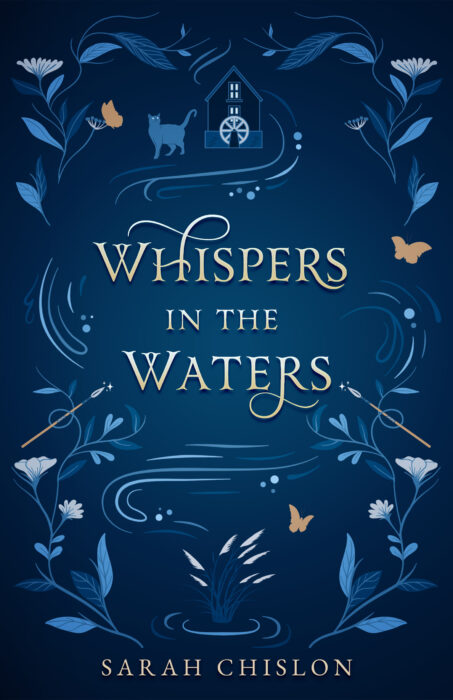
Gently-bred herbalist Jessa Caldwell is trying to be a lady. She conceals her true nature amongst her plants and her sketches—where she can almost shut out the whispers she alone hears. But a threat to her beloved aunt forces her from the comfort of home to a town perilously near an Otherworldly Crossing, with its ever-present risk of fae incursions.
To protect her aunt and the townsfolk she comes to care for, she must uncover the individual responsible for a series of increasingly dangerous attacks—but to find this saboteur will require embracing the part of herself she fears most, an act that could cost her dearly. In a world where Vigilists lock up fae-touched mortals, Jessa must decide if she’s willing to risk exposing her true nature to obtain the truth and protect those she loves.
Whispers in the Waters, a gaslamp fantasy novella, serves as the prequel to Tattoo of Crimson, the first book in the Blood of the Fae series. If you like quick-minded heroines who solve cases with logic and intuition, beautiful yet deadly fae, and Otherworldly intrigues, then you’ll love this mystery set in a world of manners and mythical monsters.
The ebook will be delivered via BookFunnel to your email and can be downloaded in your format of choice onto any device.
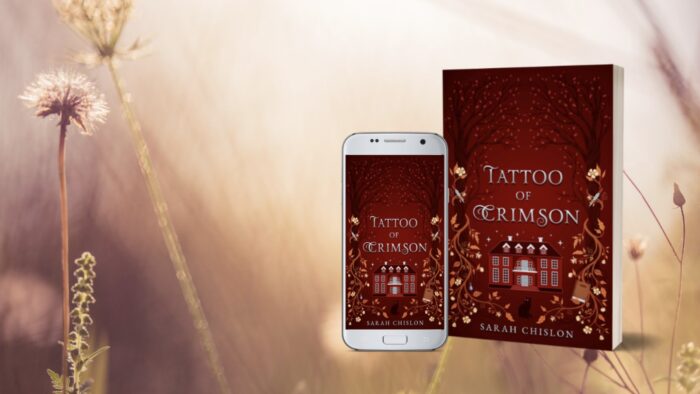
Society, suitors, and…serial murders?
As much as she desires to please her family, gently-bred herbalist Jessa Caldwell has no intention of making a suitable match—not when she’s seeking the truth about the taint of the fae that lies within her. If she’s to escape the madness brought on by fae-touch, she must devote her energies to seeking a cure.
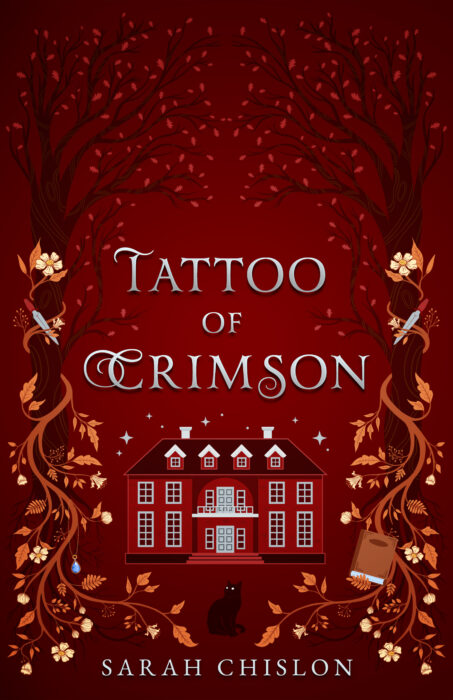
But then mysterious tattoos begin to appear on the citizens of Avons. None recall receiving these harbingers of death, but all die at the hand of an untraceable killer days or weeks after being marked.
When the tattoo appears on her beloved mentor, Jessa seeks the Magistry with information on the case—yet they refuse to consider her findings, so she must risk both social censure and her own safety to hunt for the killer herself.
Her one possible ally represents her greatest fear—the encroaching Otherworld consuming her mind—and may well undo all her efforts to control her fae-touch. Yet if she forsakes the offered aid, the killer will go free.
Something sinister stalks the streets of her city, and she must decide…how far will she go to stop the killing?
Tattoo of Crimson, a gaslamp fantasy novel, is the first book in the Blood of the Fae series. If you like quick-minded heroines who solve cases with logic and intuition, beautiful yet deadly fae, and Otherworldly intrigues, then you’ll love this mystery set in a world of manners and mythical monsters.
Please note: The ebook will be delivered via BookFunnel to your email and can be downloaded in your format of choice onto any device.
PRINT LENGTH: 576 pages
PUBLICATION DATE: January 17, 2023
Admirers, antiquities, and . . . ancient curses?
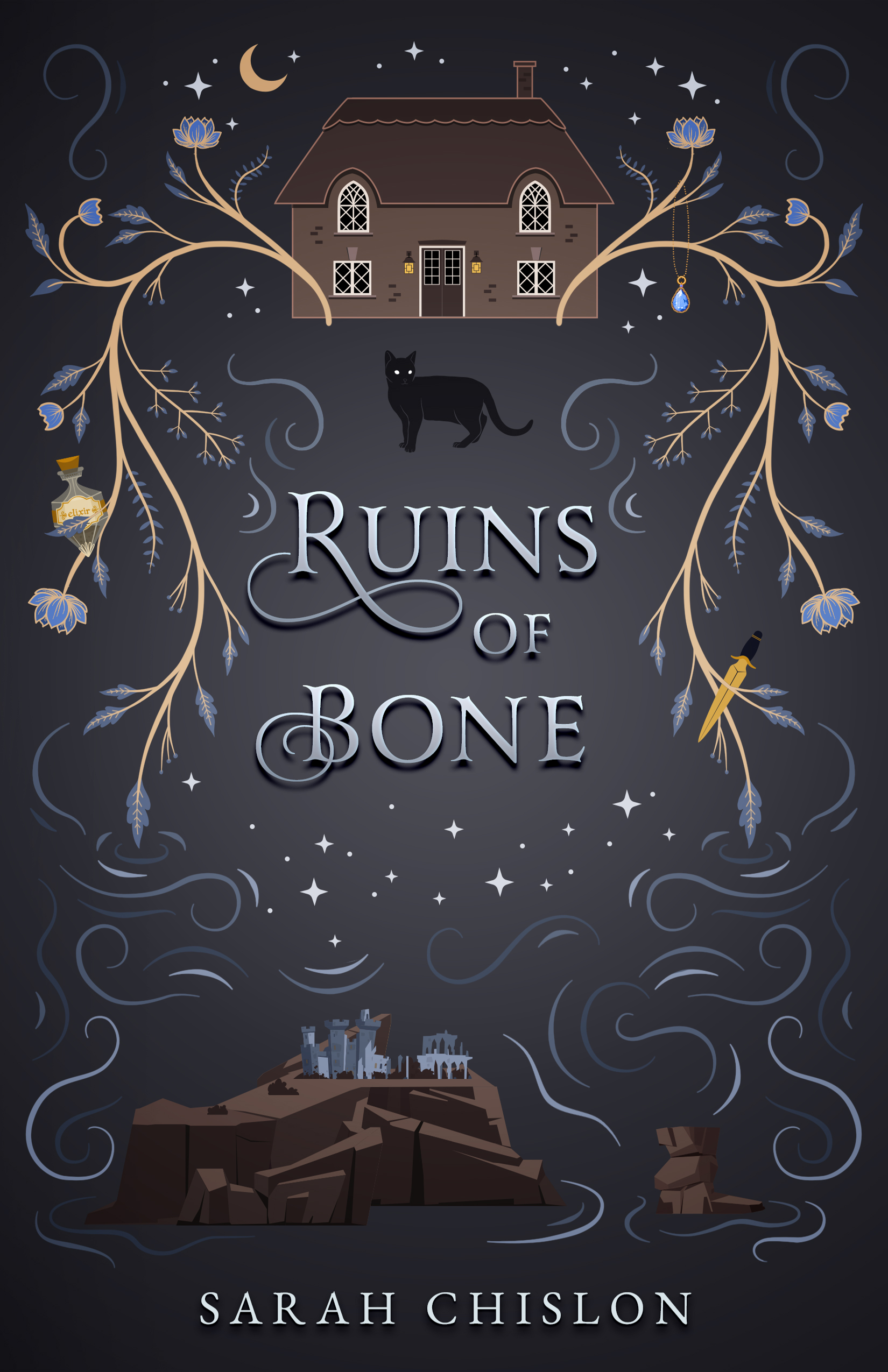
A curse taints the ruins of Kilmere—or so the locals say—which makes it an unchancy inheritance for herbalist Jessa Caldwell. Worse still, a cruel fae lord in the guise of a gentleman seeks to wrest the crumbling cliffside fortress from her and use its powers for his own ends.
But Jessa isn’t one to surrender easily. She’s determined to resist the lord’s machinations and protect the legacy left by her mentor, even if that means involving the fae arbiter Riven, an act that could see her permanently locked away—all while evading her family’s expectation that she make a match from their list of favored suitors.
Yet she’s not prepared for the depths of fae deceit and cruelty she discovers—nor the reality behind the curse. When the nearby townsfolk begin to succumb to it, suffering slow, excruciating deaths, the authorities seek a mortal poisoner, refusing to consider that these murders could have an Otherworldly origin.
To uncover the true killer, Jessa must make forbidden alliances and explore the extent of her own fae-influenced nature. If she fails, countless innocents will die, including those closest to her . . . but if she succeeds, it may cost her everything.
In book two of the Blood of the Fae gaslamp fantasy series, Jessa faces her greatest challenge yet—threats concealed within long-abandoned ruins, where secrets about the precarious balance between the Otherworld and her own lay buried. Will she unearth the truth before it’s too late?
Please note: The ebook will be delivered via BookFunnel to your email and can be downloaded in your format of choice onto any device.
PRINT LENGTH: 664 pages
PUBLICATION DATE: October 25, 2023
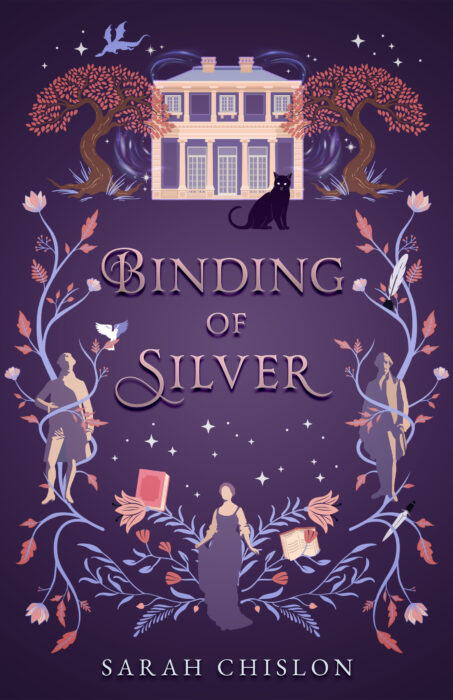
Lies, labyrinths . . . and lost souls?
Never bargain with the fae. The society of Byren lives by this rule, but it’s one herbalist Jessa Caldwell has broken time and again. So far, she’s escaped unscathed, but her sister Ainslie—snared in a bargain she can’t recall making—doesn’t share her good fortune.
After Ainslie vanishes into the night, Jessa fears the horrors her sister might suffer. She’s witnessed what fae do to mortals—using them as playthings to torment, even transforming them into monsters. No matter the cost, she’s resolved to find her.
But she soon learns that Ainslie isn’t the only one missing. All across the kingdom, mortals are disappearing without a trace. With the aid of fae arbiter Riven and kit-isne Jade, Jessa seeks those responsible, but as she does, her actions draw unwelcome attention from all quarters—fae and mortal alike. Even those within her own home mistrust her purposes, and she risks shattering the relationships that mean the most to her.
Yet she cannot abandon mortals to the mercies of Other. Her quest for answers takes her through the heart of a labyrinth and into the dangerous midsummer hunt of the fae, where the creature they seek could claim her life as swiftly as the fae will if they ever discover her true purpose.
She’ll need everything she’s learned about fae—and her own nature—if she’s to have any chance of surviving the maze of hidden truths and shifting loyalties around her.
Please note: This is a pre-order. You will receive it on its launch date, October 22, 2024. The ebook will be delivered via BookFunnel to your email and can be downloaded in your format of choice onto any device.
A glorious gaslamp fantasy, full of murder, fae and restrictive social conventions. This story really is for anyone who loves murder mystery, fantasy and historical fiction… Because it’s the best of all three worlds!
A beautifully written story, Whispers in the Waters is a fantasy journey that blends magic, a lovely setting, layered characters, and a strong voice.
Tattoo of Crimson is a brilliantly written book, full of imagination, beauty and wonders!
Sarah Chislon lives in Virginia with her husband and three daughters. When she’s not writing, she’s homeschooling her children and running a web development business with her husband. As an avid reader and a lifelong story-weaver, she delights in creating fantastic worlds and exploring them alongside her characters.